
WonderLab Kids
Welcome to your neighborhood art school
in our small immersive home studio in Duckpond, Gainesville
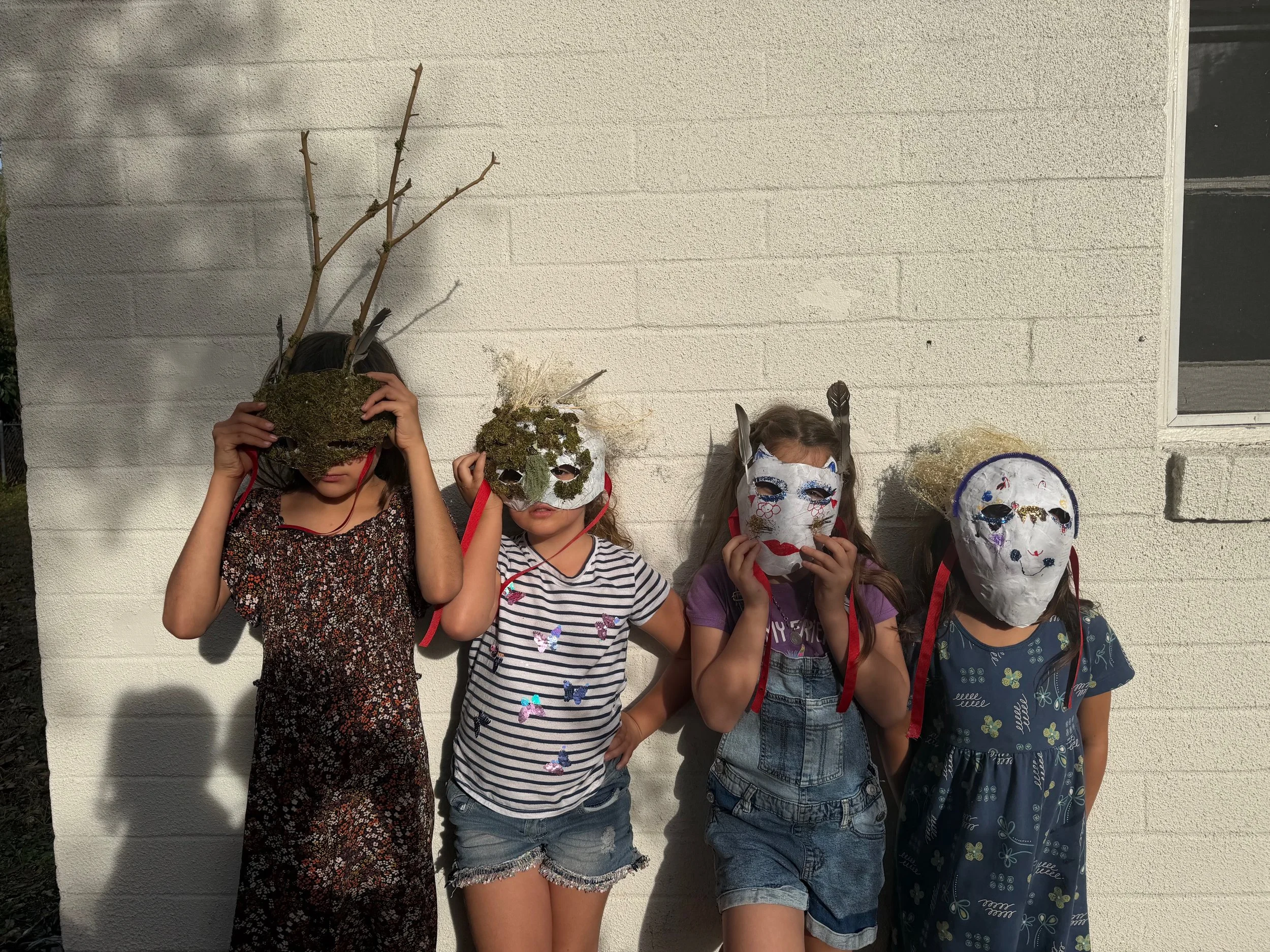
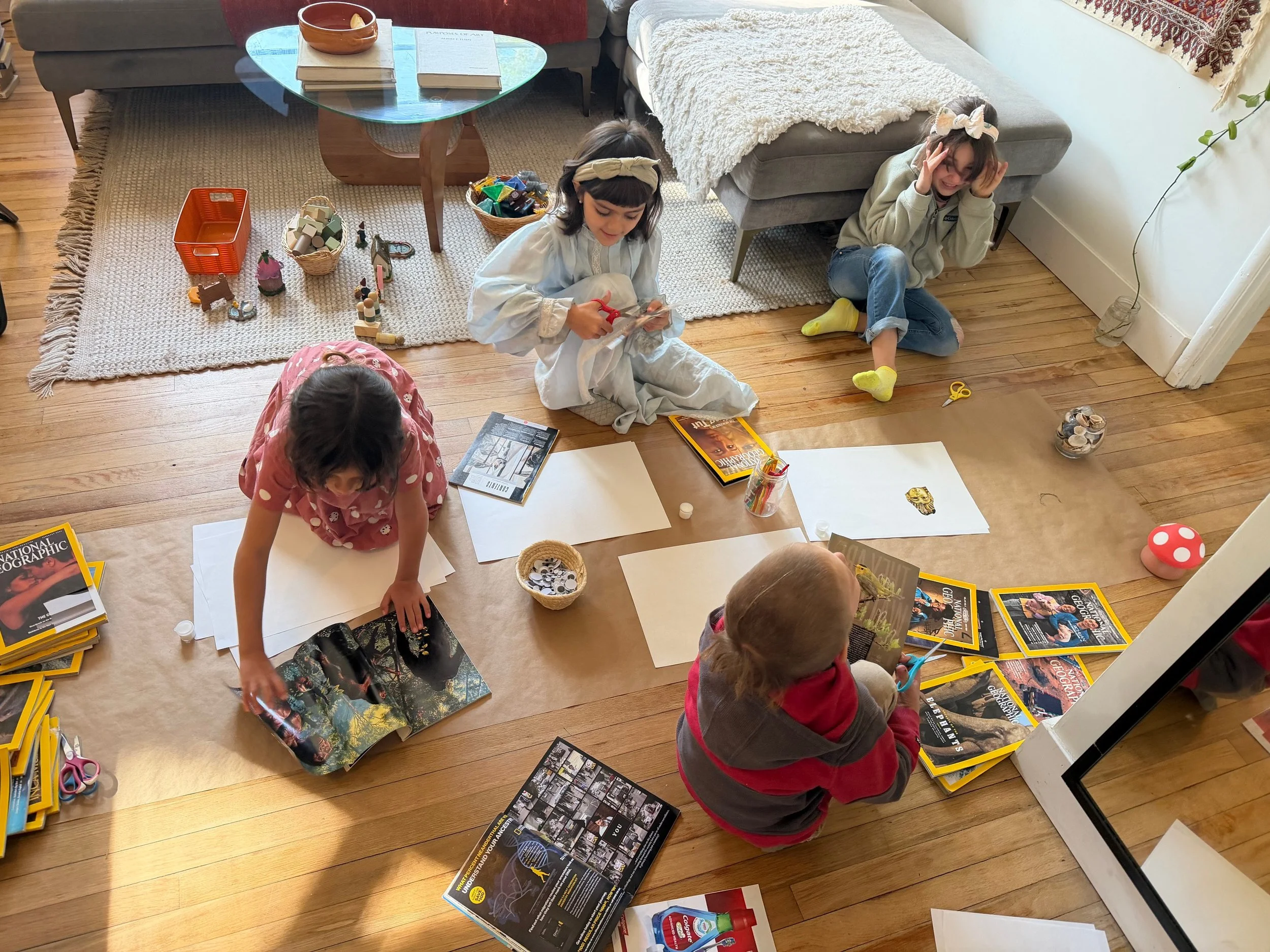
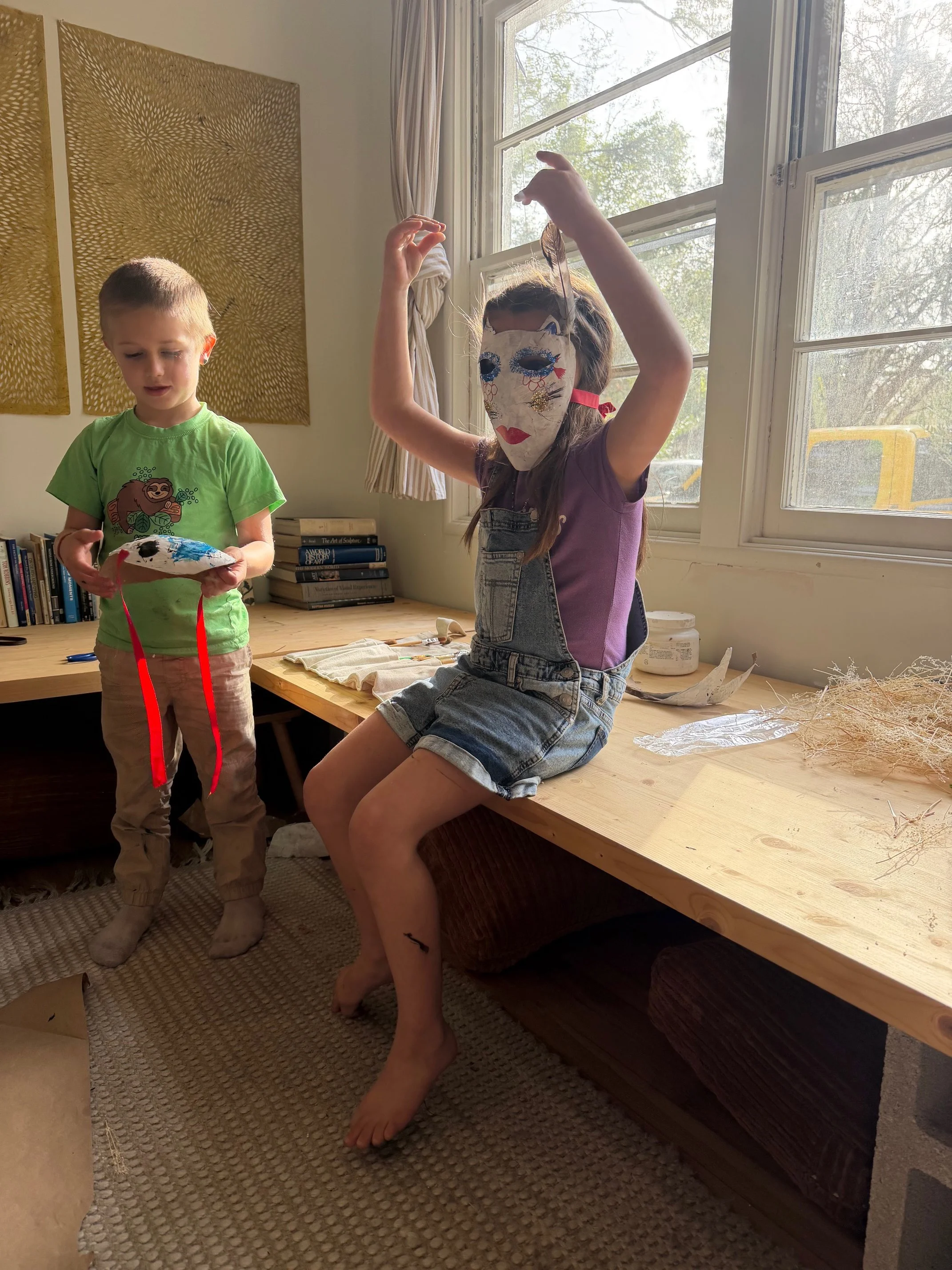
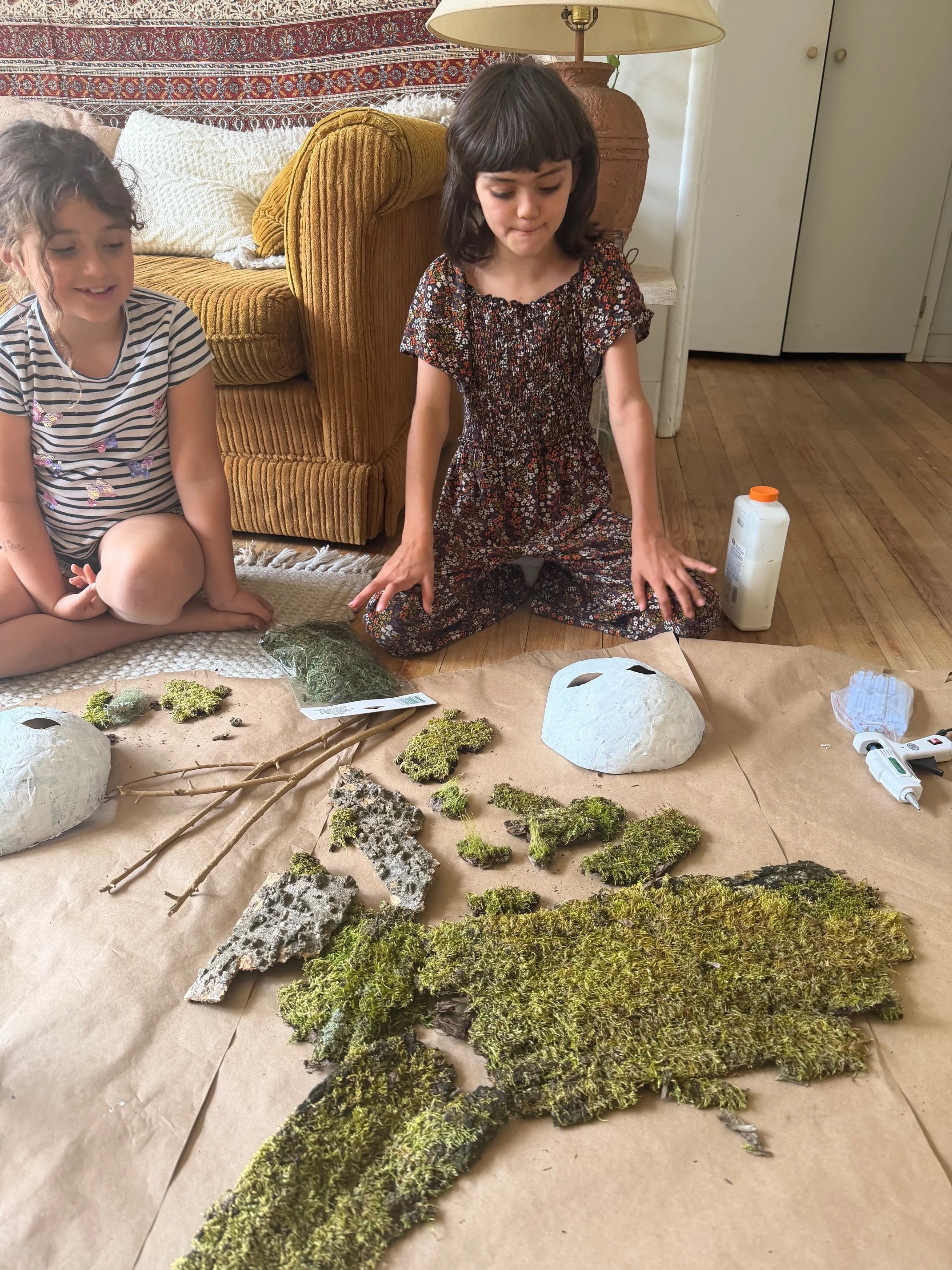
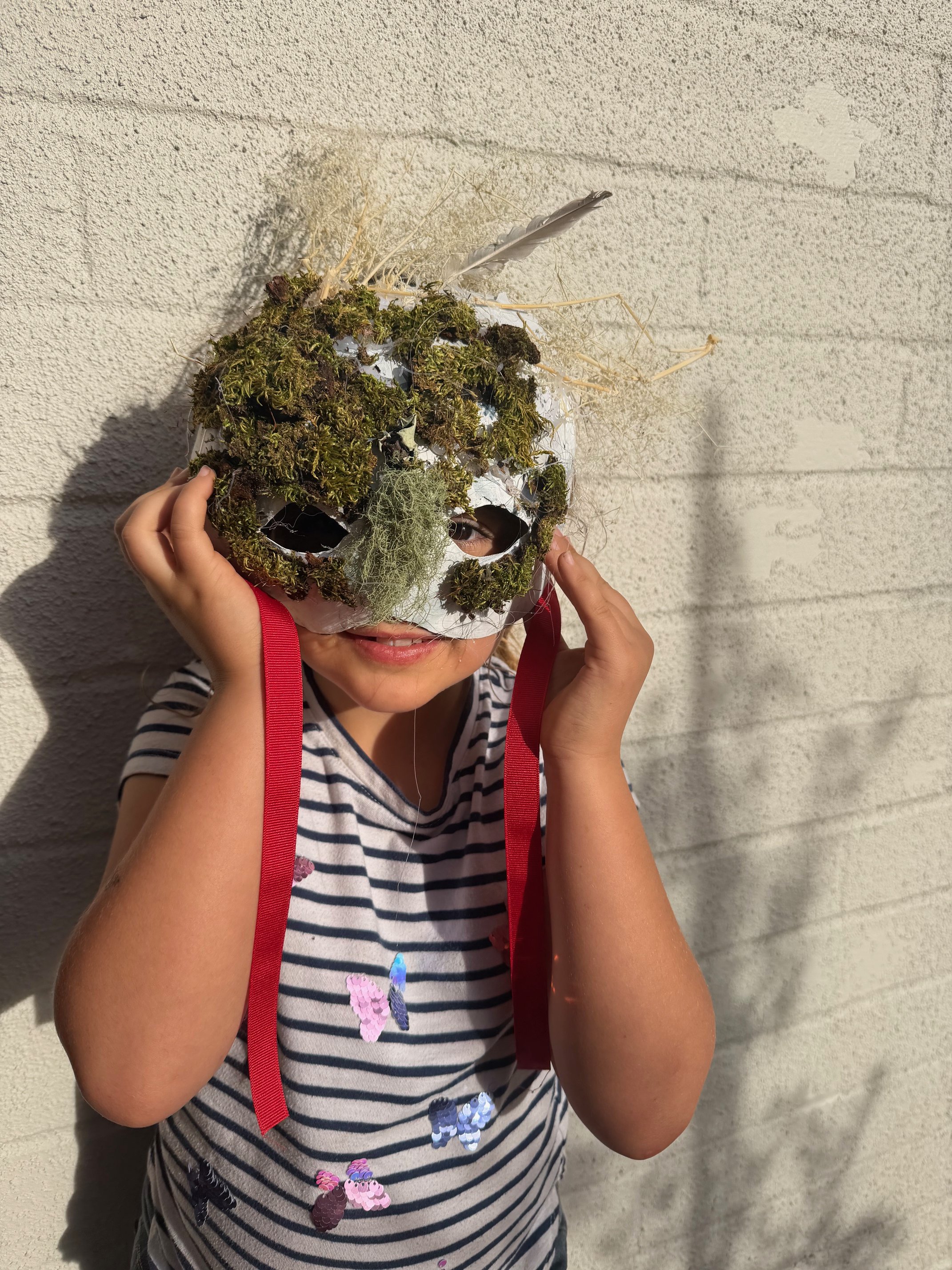
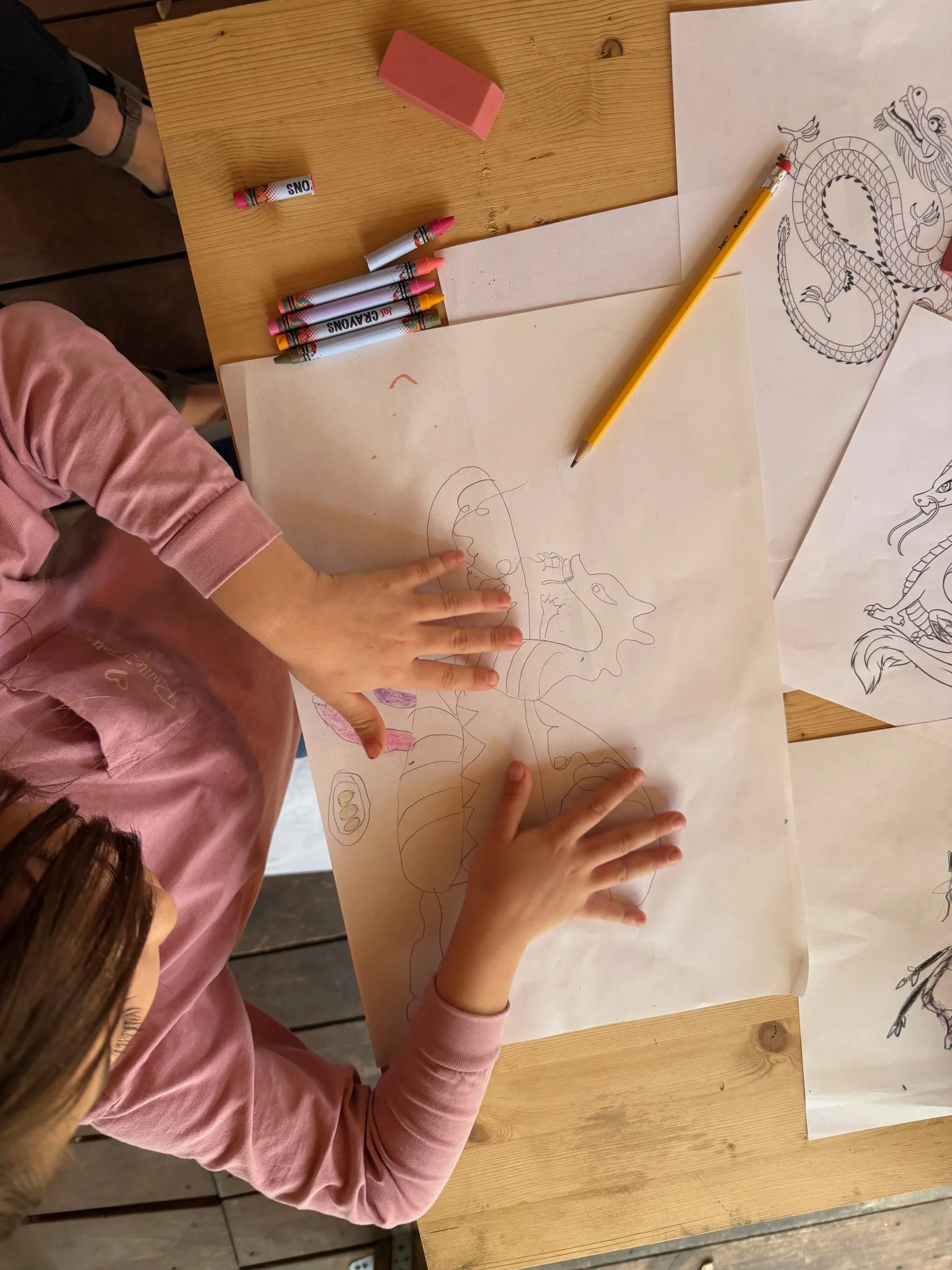
$35 Per Class - $120 / mo (Payment Via Venmo @luminous-arts)
A calm, consistent rhythm each week: Opening circle, Studio making, Short movement & snack break, Continued work, Closing reflection
Explore Our Schedule of Classes
What We Make and Imagine Throughout the Year
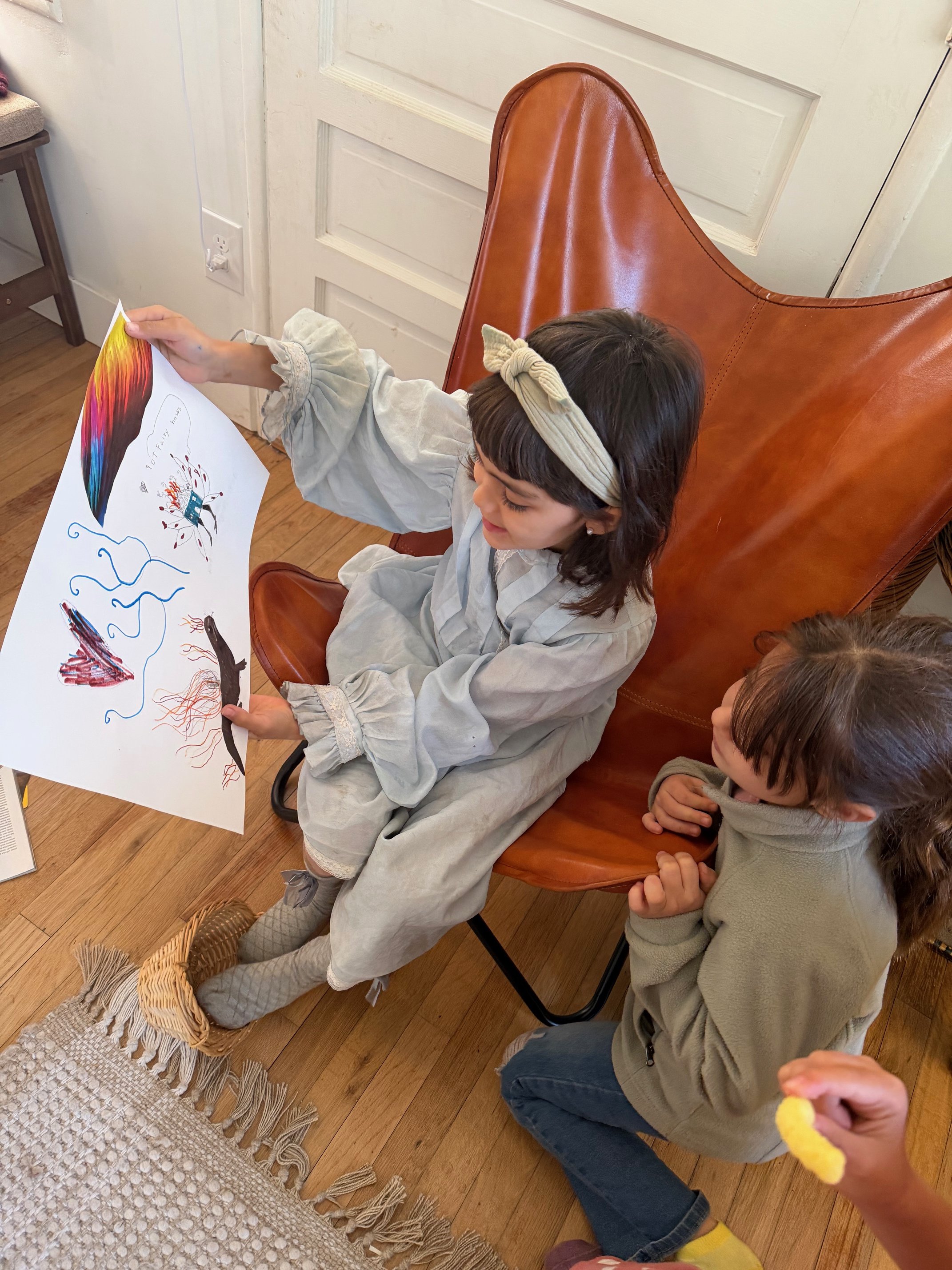
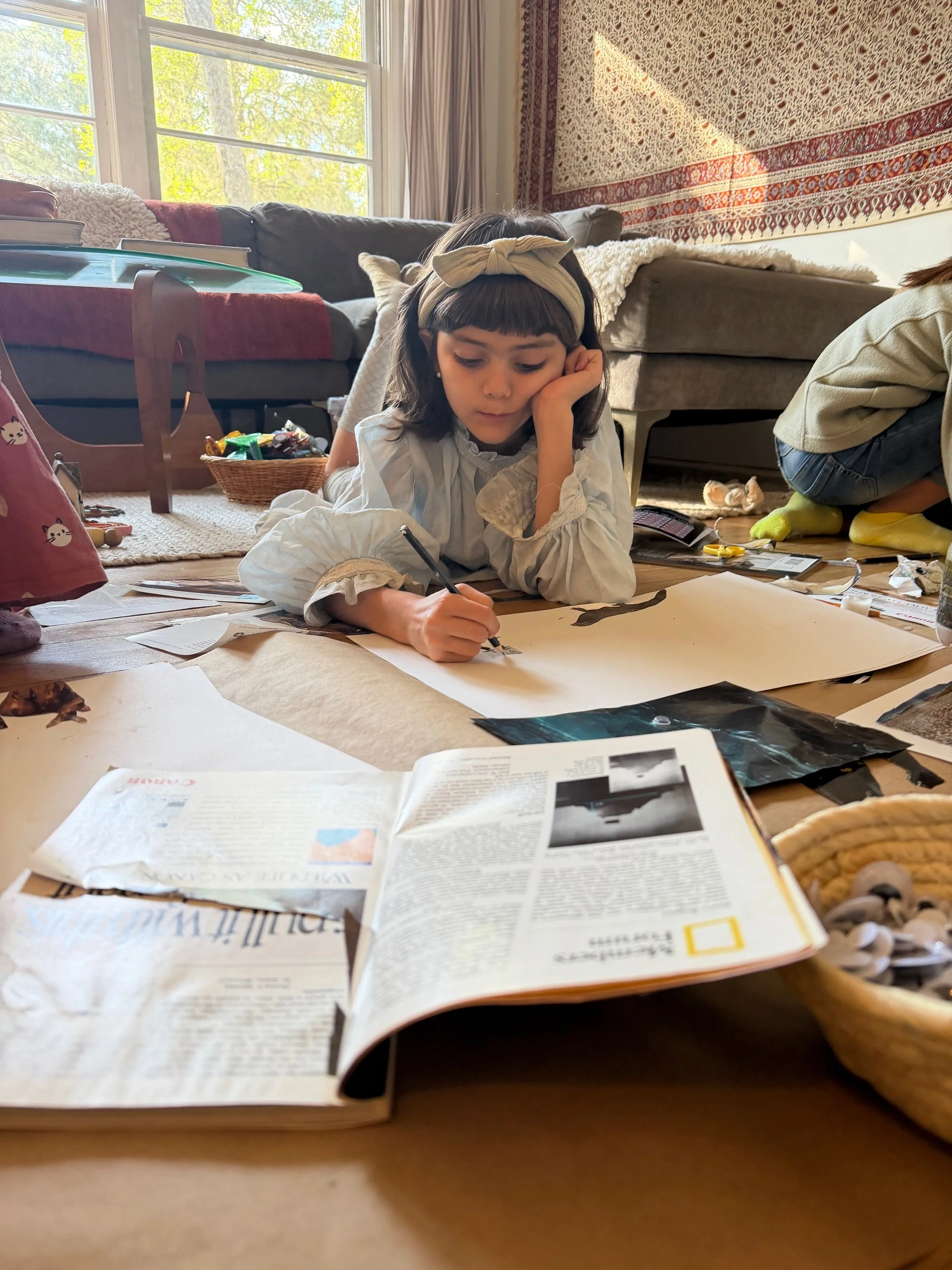
Projects often unfold across several weeks, allowing children to develop ideas, collaborate, and see their creations grow.
Mythical creatures and stories
Dream worlds and imagined places
Circus-inspired characters and sets
Art inspired by earth, water, fire, and air
Patterns, symbols, and visual games
and more
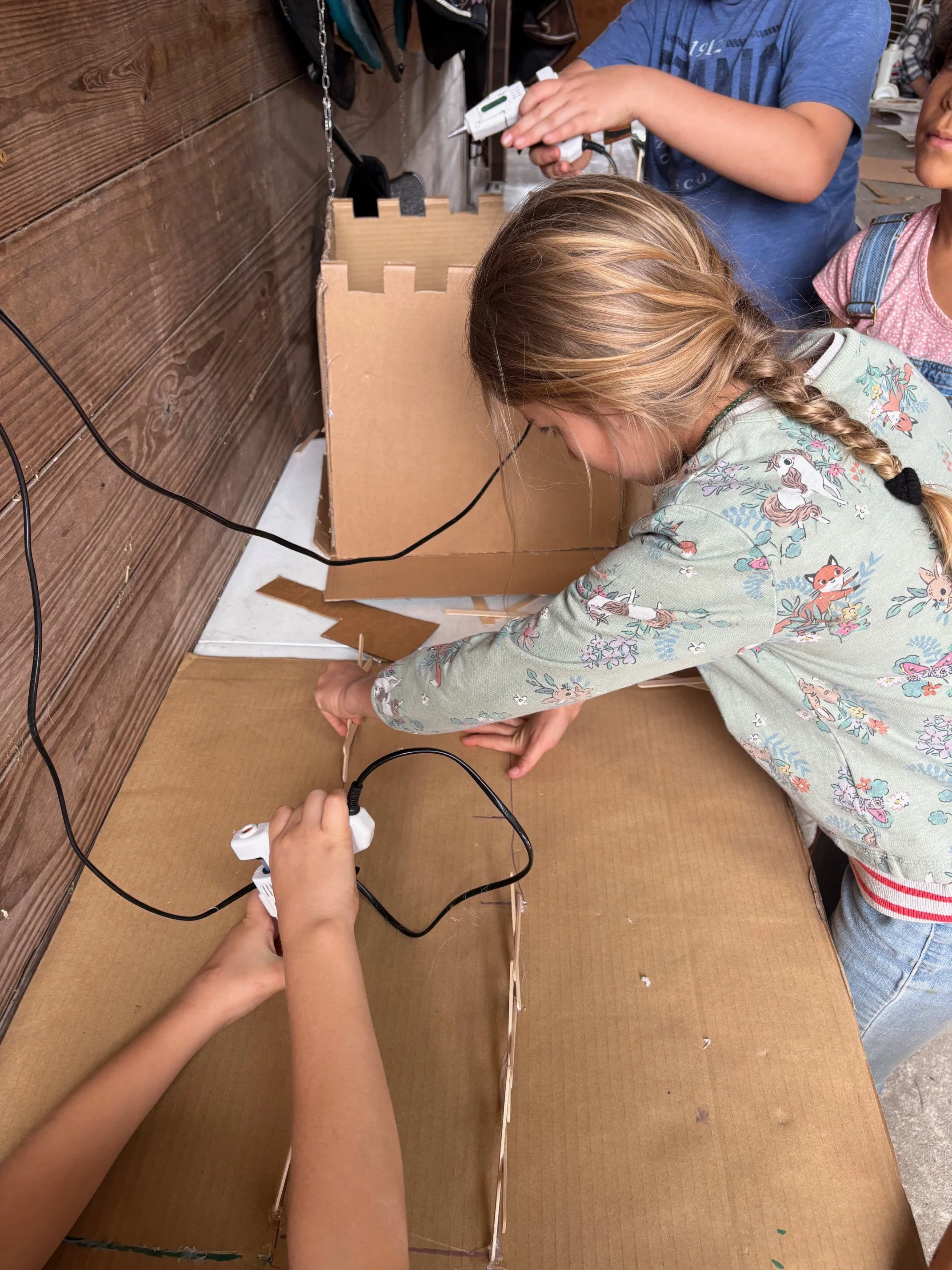
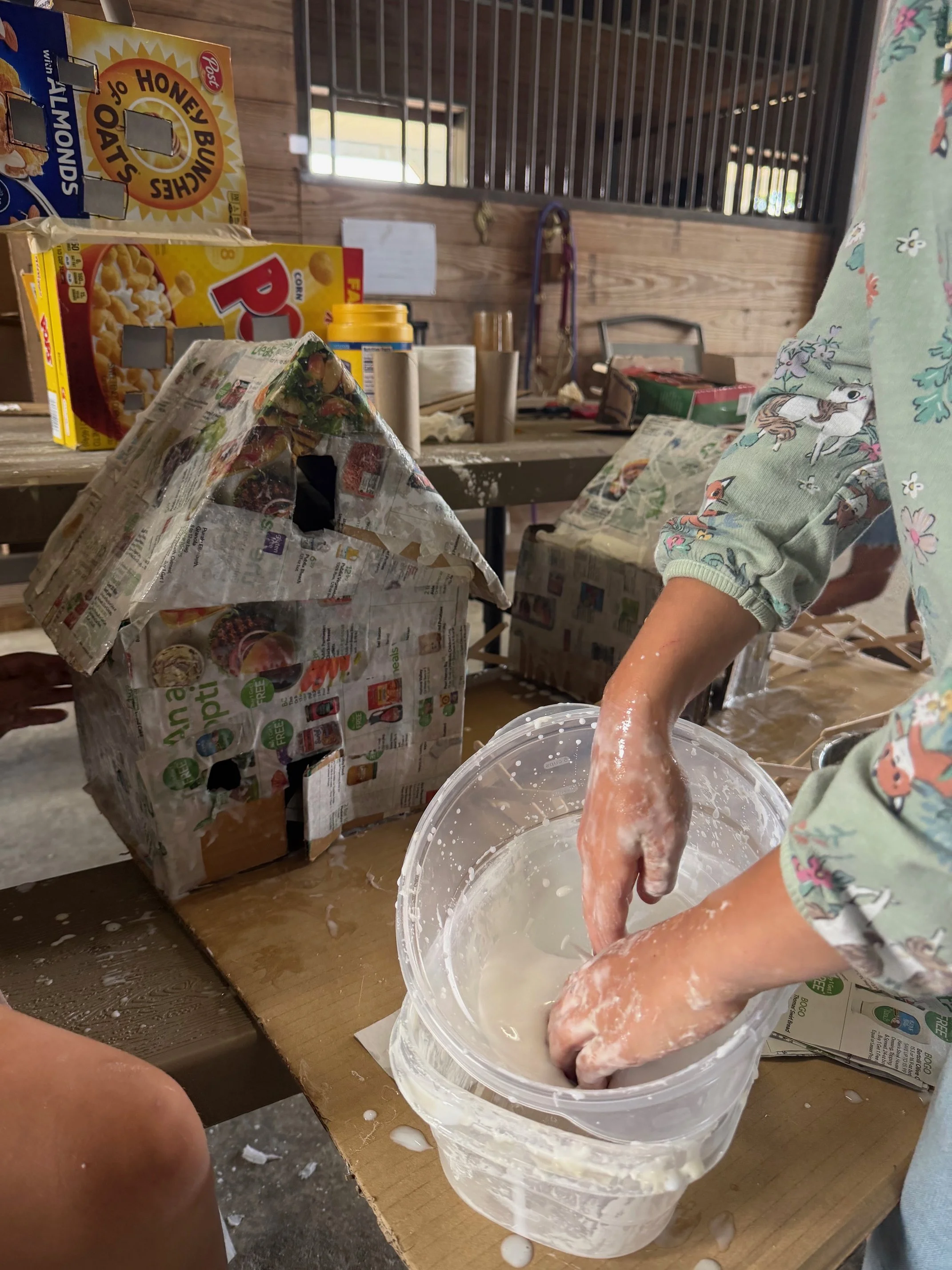
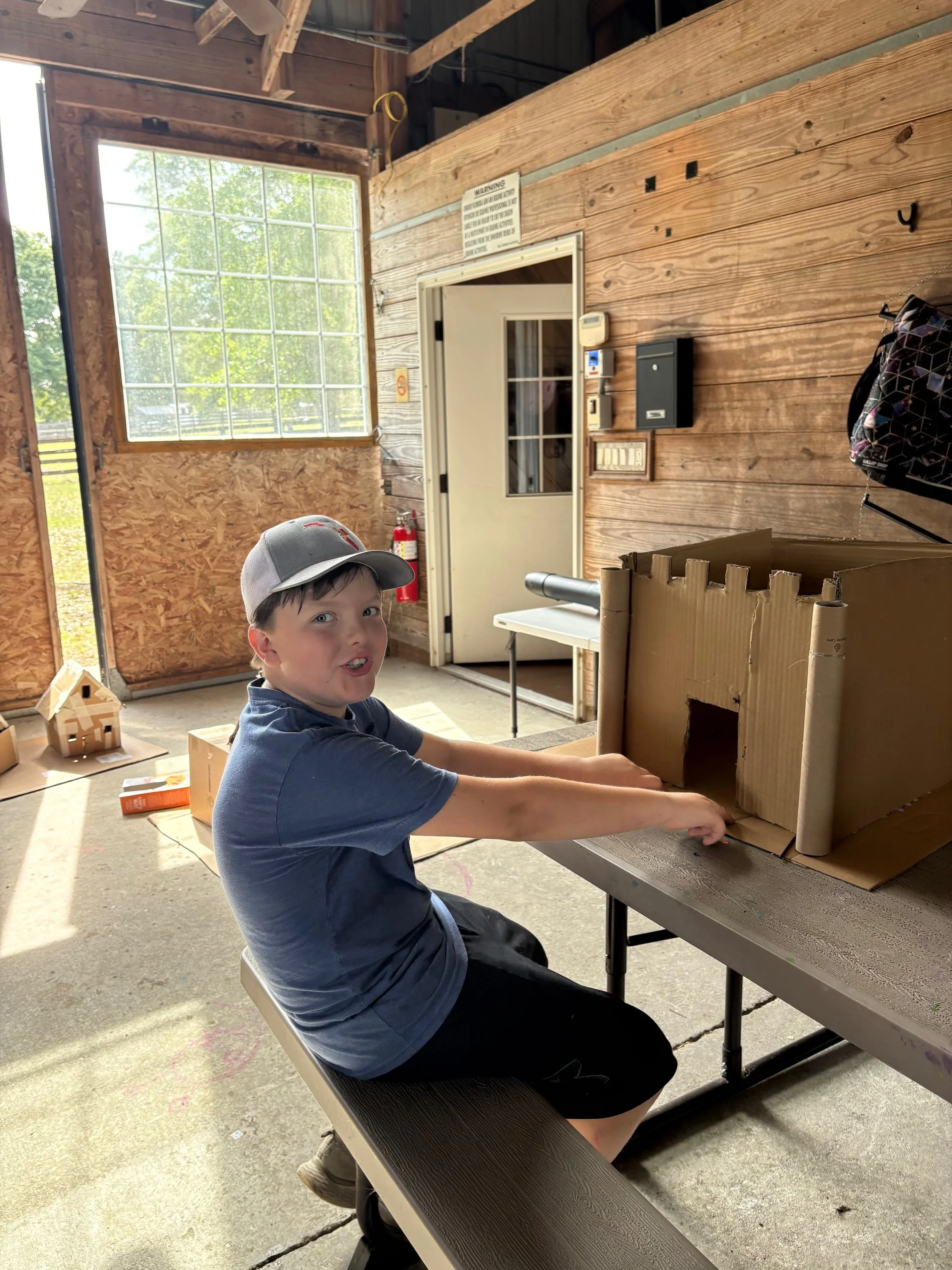
One month we’re building life size paper mache mushrooms, the next we are designing the set for a handmade pupper theatre
In WonderLab, we don’t make individual art projects — we build worlds, guided by the children's imagination as much as the teacher’s.
Late Spring Semester (Mid April - End of May)
Mondays after school 3:15 - 5:00 pm → Hearthlight Village School (Lake Butler) Step Up Direct Provider (Ages 6-9)
Wednesdays 2:30 pm - 4:00 pm → at Wonderlab Base Camp (Ages 6-9)
Interested in joining another class time? We work intimately with parents to schedule class times that work for you. Leave us a note in the registration form
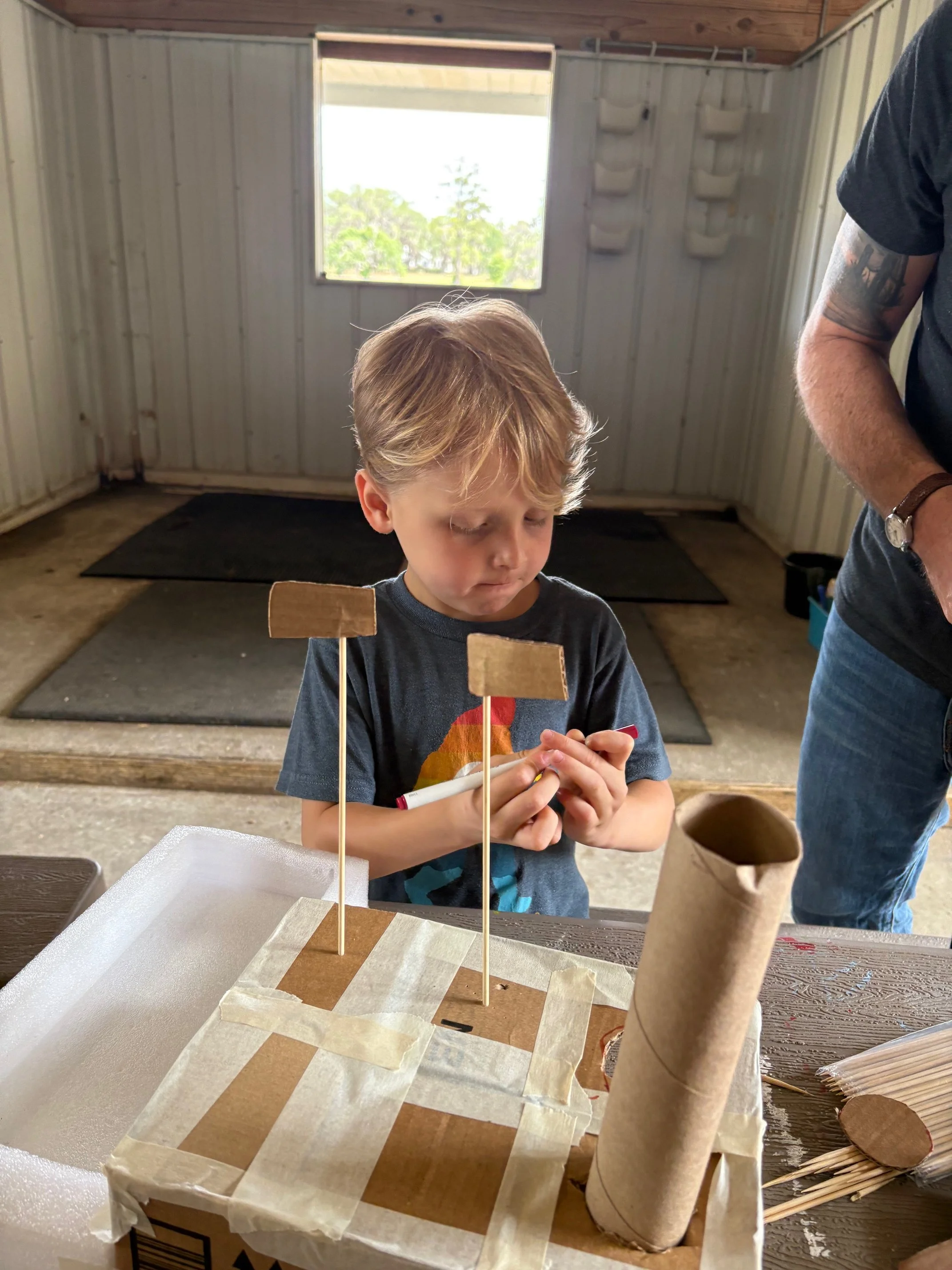
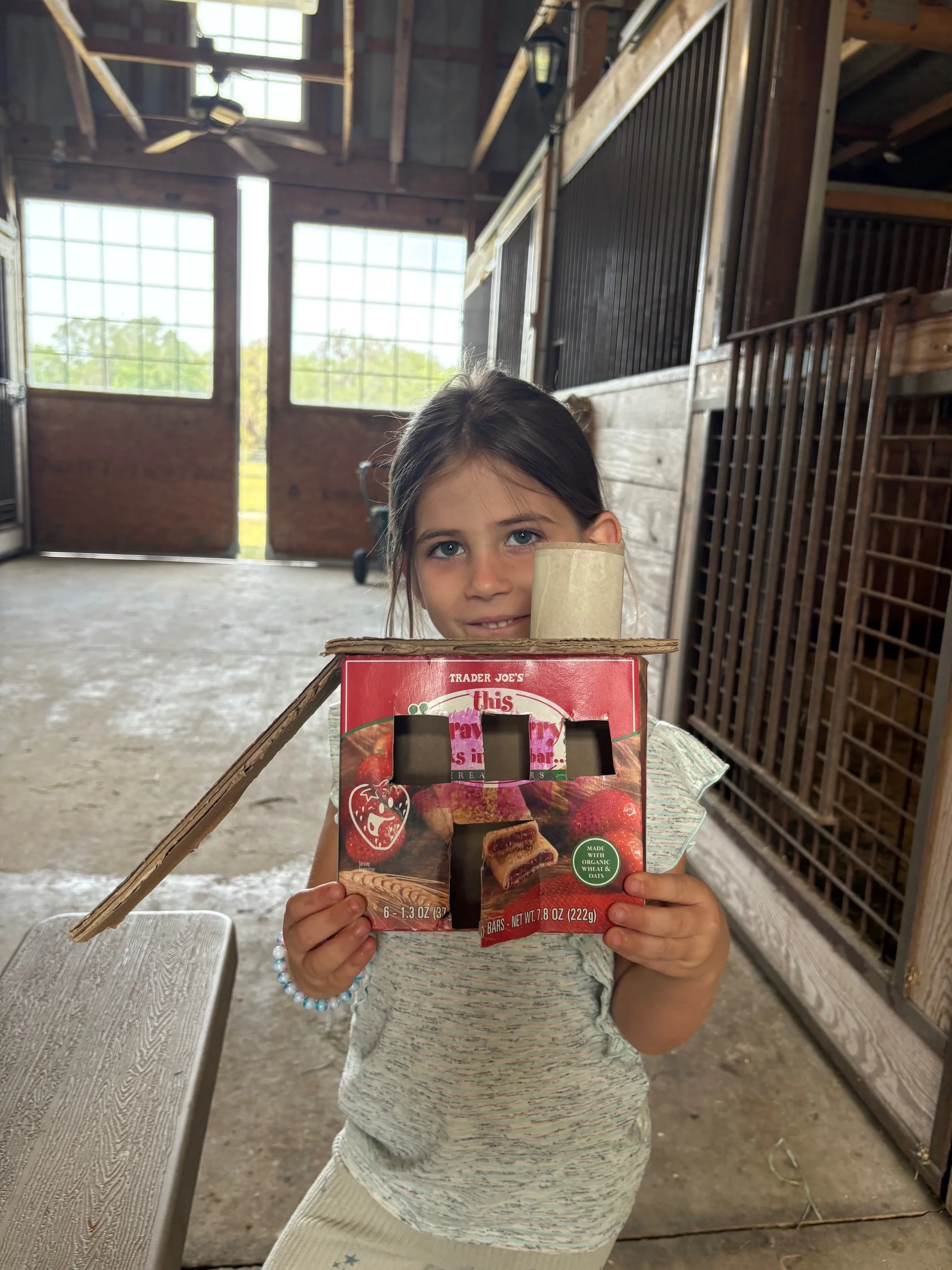
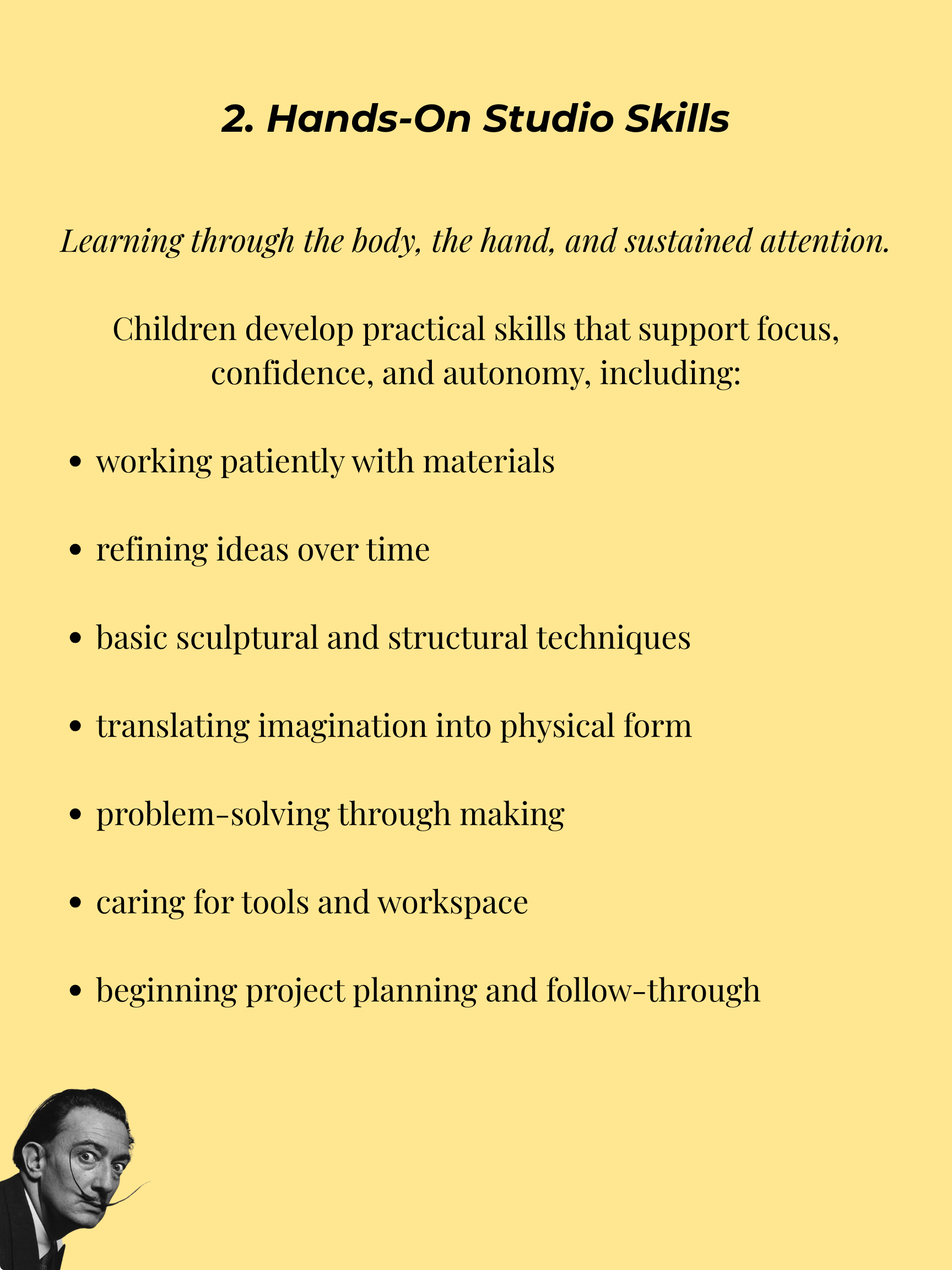
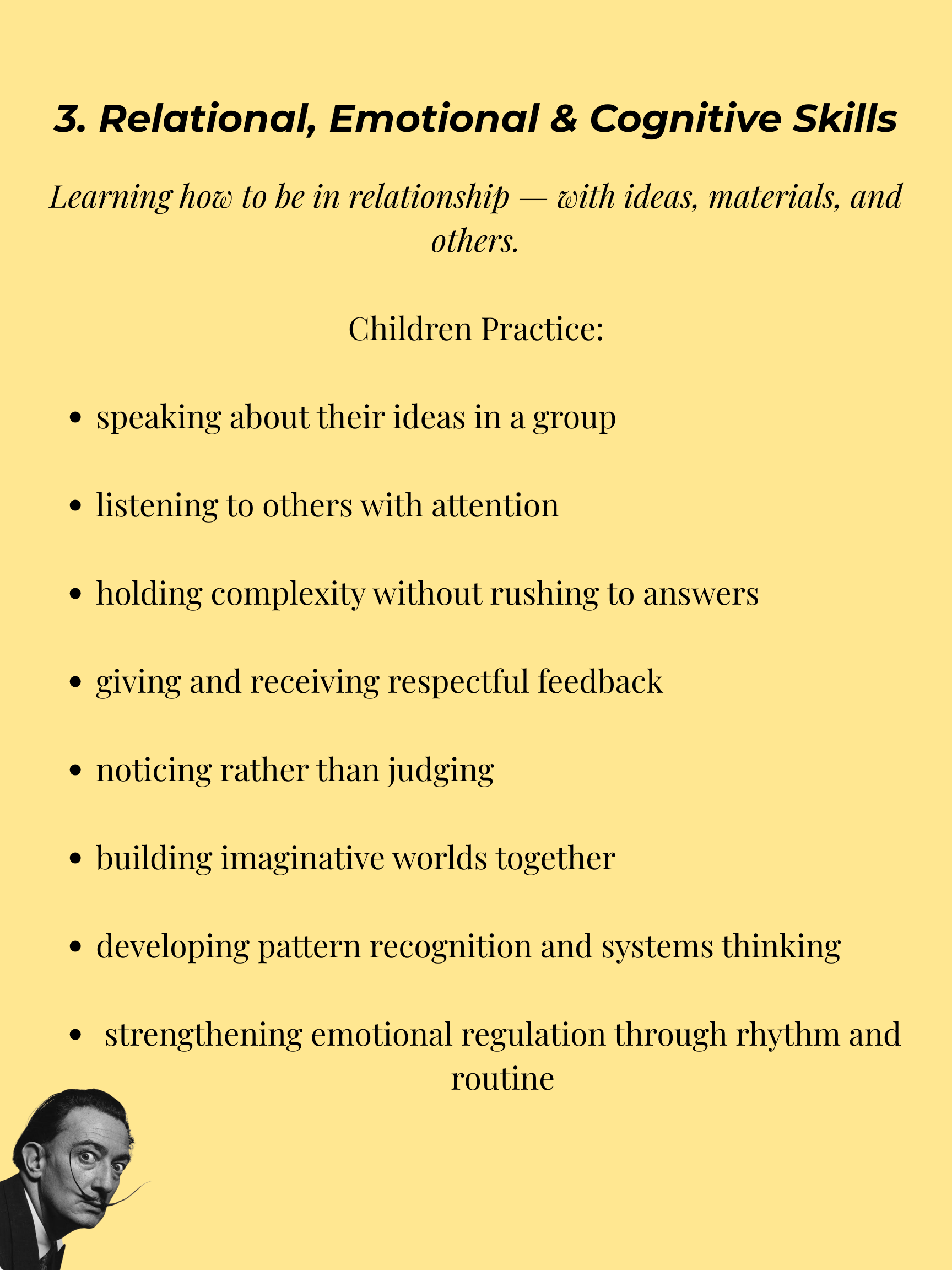
What Children Actually Learn at Wonder Lab
Across the year, children build three interwoven skill sets:
Registration Form - We will reach out within 24 hours
WonderLab for Homeschool Coops
WonderLab is also available as a visiting creative program for homeschool co-ops and learning communities in the Gainesville/Alachua area
We custom-design our studio education for your micro school based on the age and interests of your students
→ Download the WonderLab Homeschool Co-op Teaching Guide (PDF)
Common Questions from Parents
-
Wonder Lab is a studio-based creative education. Most art classes focus on short projects or outcomes.
We focuse on:
sustained studio practice
slow, intentional making
imaginative world-building
observation and reflection
meaningful relationships with materials
Children are invited into a culture of making — not a series of activities.
We are also a small home based studio with an emphasis on intimacy and community, hoping to grow a tight knit community of creative kids and families.
-
Often, yes.
Wonder Lab is intentionally calm, small, and relational. Many children who feel overstimulated in loud or fast-paced environments thrive here. Sharing is always invitational — children are never forced to perform or speak before they’re ready.
-
We structure our class time so that kids have open unstructured play/game time paired with focused making sessions. This is often supportive for children that require higher stimulation.
If after a few classes we observe that this learning environment is not supporting your child’s needs, we will discuss whether or not to continue in the program with a parent.
-
While Wonder Lab is not affiliated with any single method, it shares core values with contemplative, child-centered approaches such as Waldorf and Montessori — including respect for rhythm, imagination, hands-on learning, and intrinsic motivation.
-
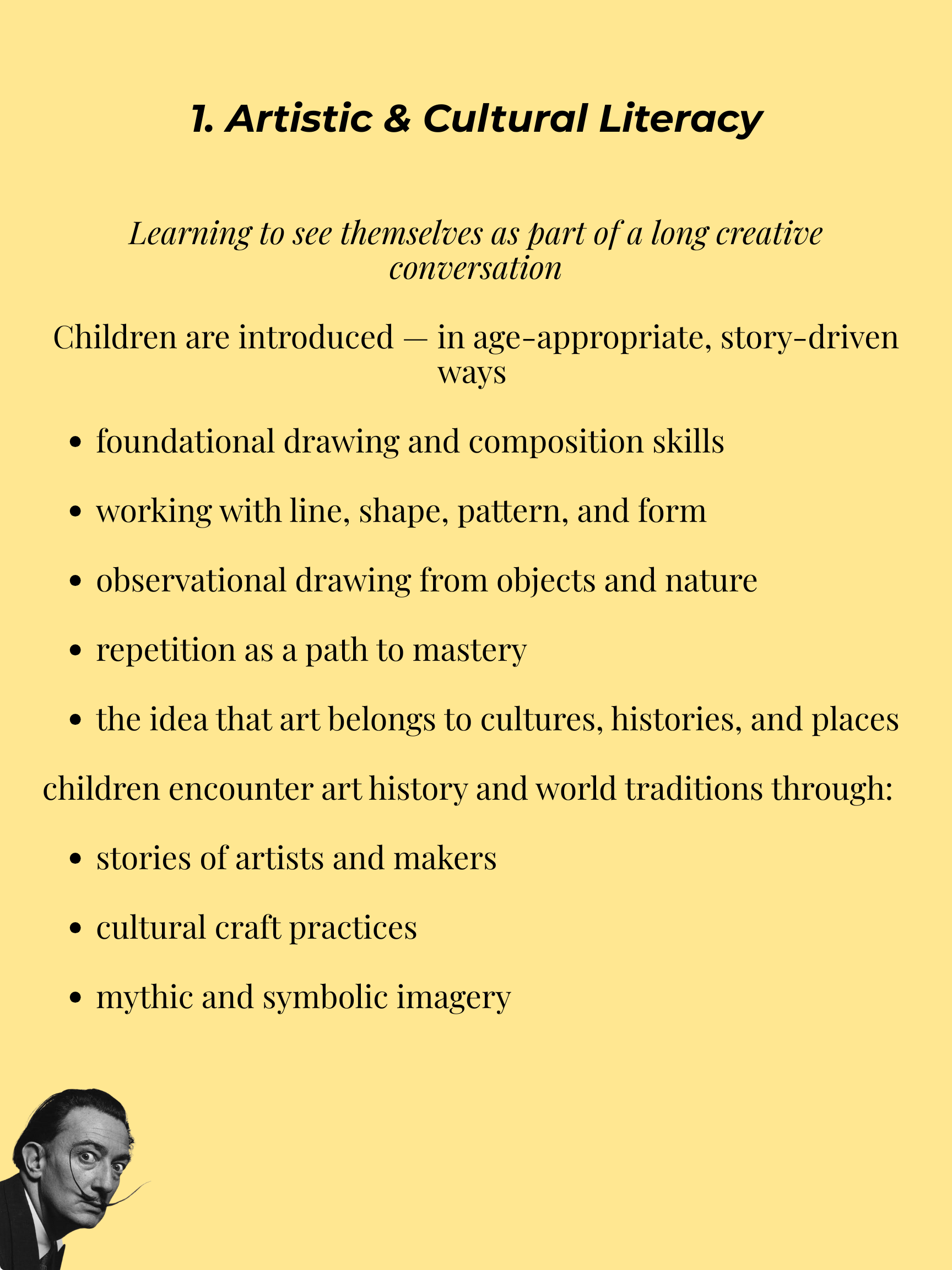
Yes — in age-appropriate, story-based ways.
Children are introduced to artistic traditions, cultural patterns, and historical ideas through narrative, imagery, and making — rather than memorization. This helps them understand art as a living, human practice across time and cultures.
-
Absolutely.
Wonder Lab is not about talent or performance. It’s about learning how to see, experiment, and trust one’s ideas. Many children who arrive believing they “aren’t creative” discover confidence through sustained, supportive practice.
-
Because Wonder Lab is ongoing and process-based, children can re-enter easily after an absence. While missing a class occasionally will not disrupt the class rhythm or your childs learning speed, we do expect on-going commitment from our families out of respect for ther community we are seeking to create.
We ask families to communicate in advance within 24 hrs of class time, save for last minute emergencies. -
Class sizes are intentionally small (typically 4–8 students) to preserve intimacy, safety, and meaningful guidance.
When a class fills, we maintain a waitlist.
-
Wonder Lab is designed as an ongoing commitment.
Creative depth and community develop over time, and children benefit most when they attend regularly.
Enrollment is monthly, with the expectation of continued participation across seasons.
Meet Your Teacher
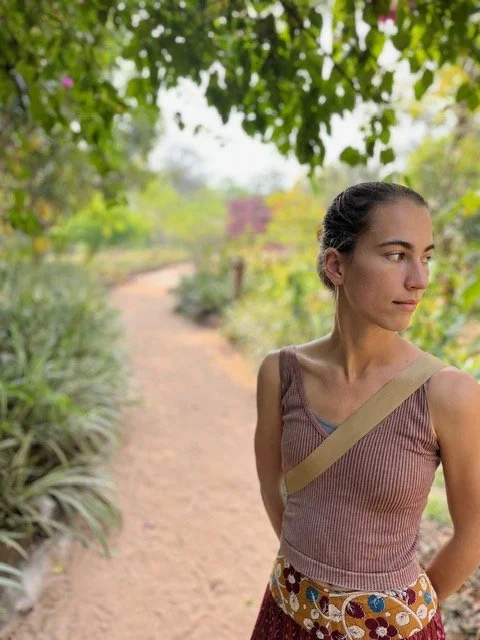
Wonder Lab is guided by Lila — an artist and educator devoted to creative development through play, imagination, and craft.
Lila began formal artistic training at a young age, studying classical ballet for over 14 years alongside immersive studio art education. She studied at The Cooper Union and later Drawing and Painting from Carnegie Mellon University.
Her teaching is strongly influenced by the IDEA Russian Art School in Brooklyn, where creativity is cultivated through games, mythological storytelling, imaginative world-building, and exposure to rich visual culture — allowing skill and craft to emerge naturally over time.
With over 10 years of study in yoga, wellness, and leadership, Lila brings principles of presence, rhythm, and emotional regulation into the studio.
At Wonder Lab, these influences come together to create a learning environment that is playful yet grounded, imaginative yet disciplined — a place where children develop confidence in their own way of seeing and making.